When it comes to engine oils, understanding the specific grades and types can be daunting for many vehicle owners. Among the various options available, 0W-20 full synthetic oil has gained significant popularity due to its unique properties and benefits. This article will explore what 0W-20 full synthetic oil is, its advantages, applications, and why it might be the best choice for your vehicle.
What is 0W-20 Full Synthetic Oil?

0W-20 full synthetic oil is a multi-grade engine oil specifically designed to provide optimal lubrication in both cold and hot temperatures. The “0W” indicates that the oil has a low viscosity at low temperatures (Winter), allowing for easier engine starts in cold weather. The “20” represents the oil’s viscosity at high temperatures, ensuring adequate protection and performance when the engine is running at operating temperature.
Full synthetic oil is created through a chemical process that modifies base oils, resulting in a product that offers superior performance compared to conventional oils. This synthetic formulation allows for better lubrication, improved stability, and enhanced protection against wear, tear, and deposits.
Benefits of 0W-20 Full Synthetic Oil

Choosing 0W-20 full synthetic oil comes with a myriad of benefits that can enhance engine performance and longevity. Here are some of the key advantages:
- Improved Fuel Economy: One of the most notable benefits of 0W-20 full synthetic oil is its ability to improve fuel efficiency. The lower viscosity allows the engine to operate more smoothly, reducing friction and energy loss.
- Enhanced Engine Protection: Full synthetic oils contain superior additives that protect engine components from wear and tear. This protection is especially critical in modern engines, which often operate at higher temperatures and pressures.
- Better Performance in Extreme Temperatures: 0W-20 oil is designed to flow easily in cold temperatures, ensuring that your engine starts smoothly even in frigid conditions. Similarly, it maintains its viscosity in high temperatures, providing consistent protection.
- Longer Oil Change Intervals: Synthetic oils typically have longer service life compared to conventional oils. Many manufacturers recommend oil change intervals of up to 10,000 miles or more when using 0W-20 full synthetic oil, reducing maintenance frequency and costs.
- Reduced Engine Deposits: Synthetic oils are engineered to resist the formation of sludge and deposits, keeping the engine cleaner and more efficient over time.
- Environmentally Friendly: With better fuel efficiency and longer oil change intervals, using 0W-20 full synthetic oil can contribute to reduced carbon emissions and a smaller environmental footprint.
Applications of 0W-20 Full Synthetic Oil
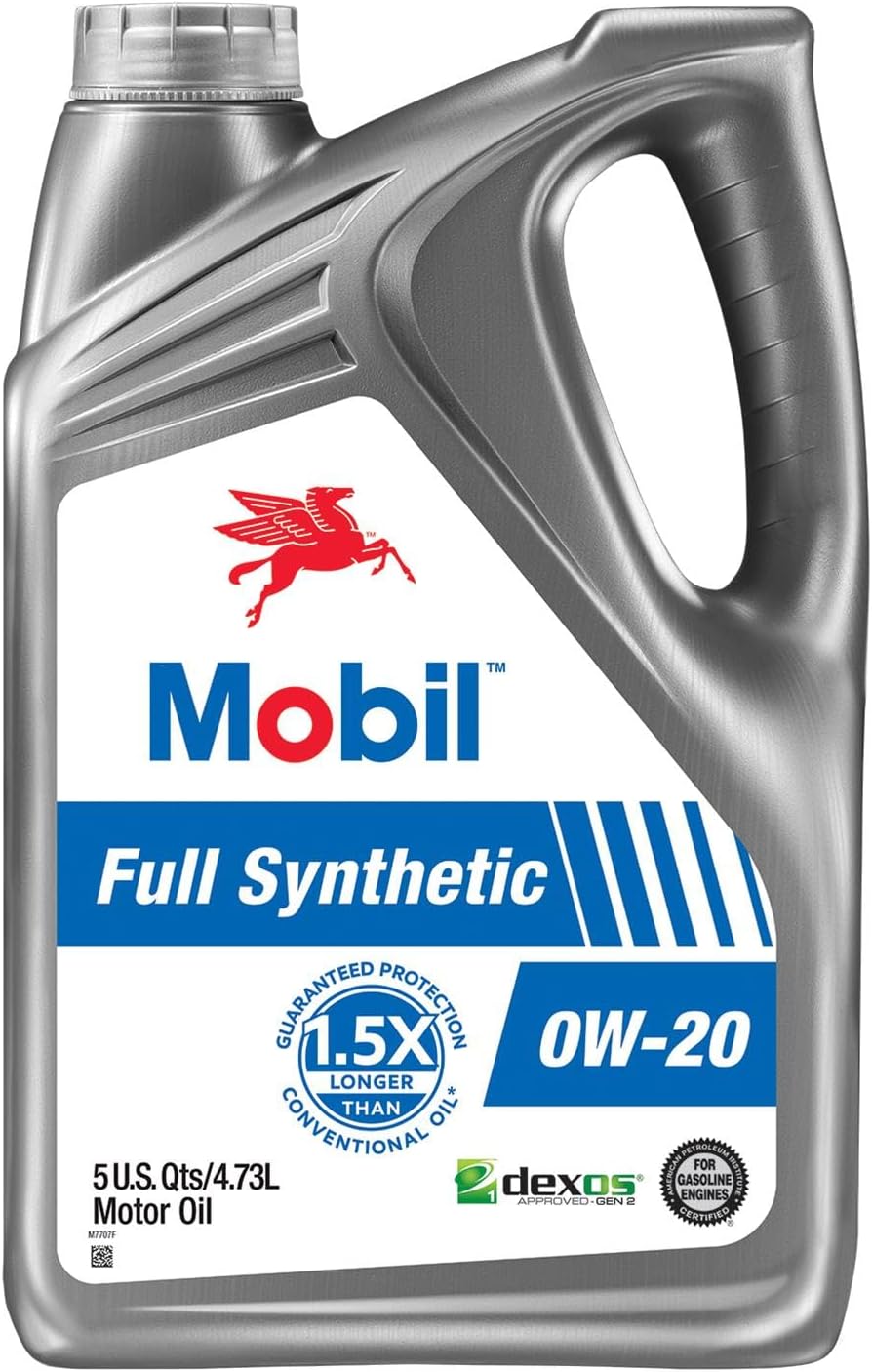
0W-20 full synthetic oil is widely used across various types of vehicles and engines. Here are some key applications:
1. Modern Gasoline Engines
Most modern gasoline engines, particularly those in sedans, SUVs, and light trucks, are designed to operate efficiently with 0W-20 full synthetic oil. Many manufacturers, including Toyota, Honda, and Ford, recommend this oil for their latest engine designs, which often feature tighter tolerances and advanced technologies.
2. Hybrid Vehicles
Hybrid vehicles often require oils that provide optimal performance in both electric and gasoline modes. 0W-20 full synthetic oil meets these requirements, ensuring that both engine types work seamlessly together.
3. Turbocharged Engines

Turbocharged engines operate at higher temperatures and pressures, making them more susceptible to engine wear. The superior properties of 0W-20 full synthetic oil help protect these engines from the stresses of turbocharging, providing reliable lubrication and performance.
4. Performance Vehicles

Performance and sports cars often demand high-performance lubricants to maintain engine efficiency under extreme conditions. 0W-20 full synthetic oil provides the protection and performance characteristics needed for these high-revving engines.
Case Studies and Real-World Examples

Numerous studies and real-world examples highlight the advantages of using 0W-20 full synthetic oil. One notable case is the long-term study conducted by the American Petroleum Institute (API), which examined the performance of synthetic vs. conventional oil over a range of vehicles and conditions. The findings indicated that vehicles using synthetic oil, particularly 0W-20, showed significantly lower wear rates and engine deposits over time.
Another example can be seen in automotive manufacturers. For instance, Honda’s use of 0W-20 oil in its vehicles has helped improve fuel economy ratings across its fleet, contributing to Honda’s reputation for efficiency and reliability. Similarly, Toyota has reported enhanced engine performance and longevity attributed to the use of synthetic oils, including 0W-20.
Statistics Supporting 0W-20 Full Synthetic Oil
Several statistics reinforce the benefits of using 0W-20 full synthetic oil:
- A study by the U.S. Department of Energy suggests that using synthetic oil can improve fuel efficiency by 1-2%, translating to significant savings over the lifespan of a vehicle.
- According to a survey by the Consumer Reports, vehicles using synthetic oil had an average engine lifespan that was 20% longer than those using conventional oils.
- Research indicates that synthetic oils can reduce engine wear by up to 50% compared to conventional oils.
In summary, 0W-20 full synthetic oil offers a range of benefits that make it an ideal choice for modern vehicles. From improved fuel economy and enhanced engine protection to longer oil change intervals and reduced emissions, the advantages are clear. Its versatility allows it to be used in various applications, including gasoline, hybrid, and performance engines.
As automotive technology continues to evolve, the demand for high-quality lubricants like 0W-20 full synthetic oil will only grow. By understanding its benefits and applications, vehicle owners can make informed decisions that contribute to their engine’s longevity, performance, and overall efficiency. Embracing synthetic oil is not just a trend; it’s a step toward a more sustainable and efficient automotive future.