As homeowners increasingly seek ways to improve energy efficiency and reduce utility costs, understanding the components of air conditioning systems becomes essential. Among these components, AC discharge hoses play a crucial role that is often overlooked. This article aims to explore the significance of AC discharge hoses in home energy efficiency, their functioning, maintenance, and their impact on overall HVAC system performance.
Understanding AC Discharge Hoses

AC discharge hoses are integral parts of an air conditioning (AC) system, specifically in split-system units. They are responsible for transporting refrigerant gas from the compressor to the condenser, where it is cooled and converted back into a liquid. The efficiency of this process directly affects the energy consumption of the air conditioning unit.
How AC Discharge Hoses Affect Energy Efficiency
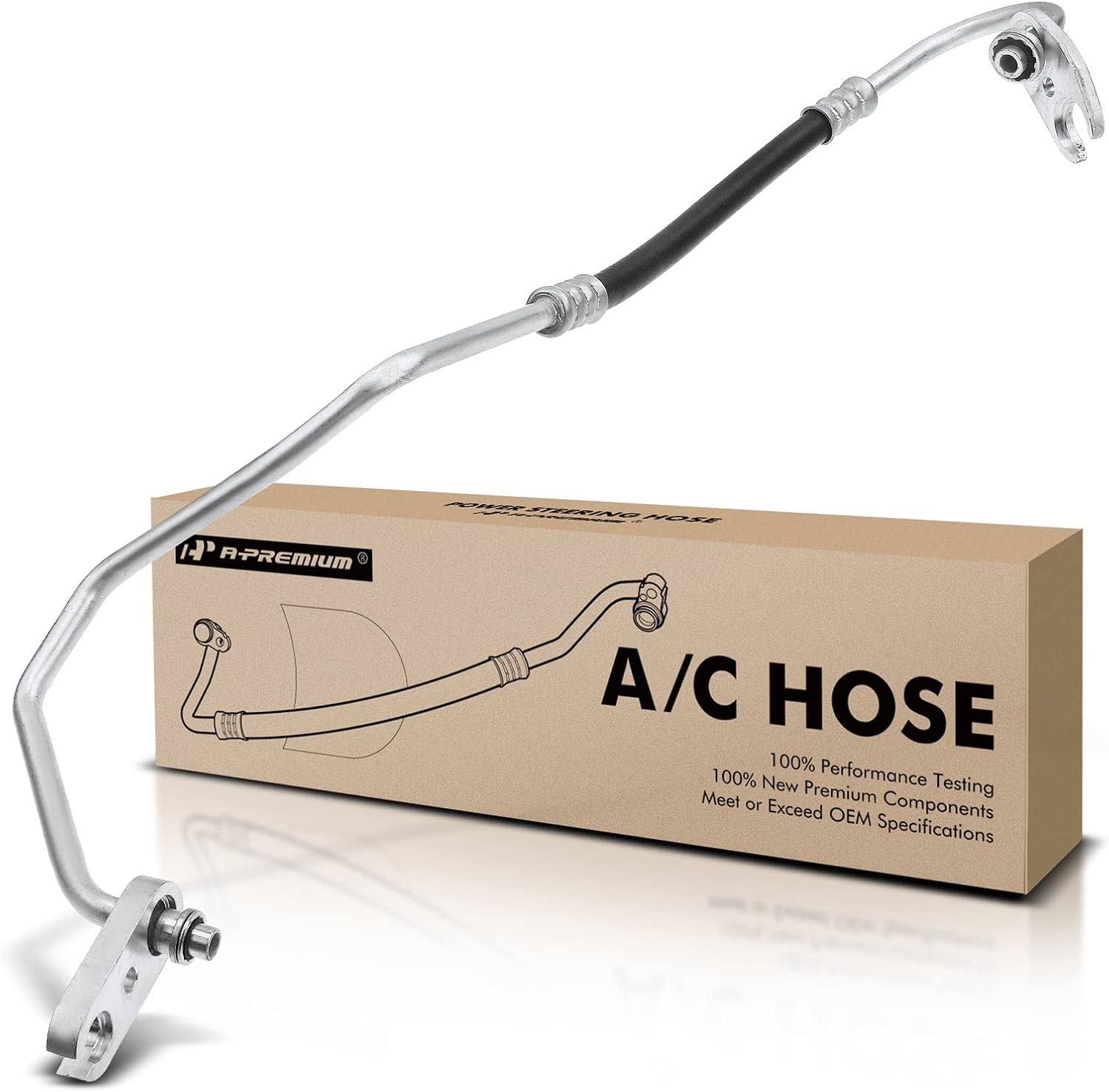
The efficiency of an air conditioning system is greatly influenced by the condition and design of the discharge hoses. Here are some ways in which AC discharge hoses impact energy efficiency:
- Heat Transfer Efficiency: Properly designed and insulated discharge hoses minimize heat loss during the refrigerant’s journey from the compressor to the condenser. This helps maintain optimal system performance and reduces energy consumption.
- Pressure Loss: Discharge hoses that are too long, kinked, or improperly installed can lead to pressure drops. This means the compressor has to work harder, leading to increased energy usage.
- Material Quality: Hoses made from high-quality materials resist wear and tear, reducing the likelihood of leaks. Leaks not only waste refrigerant but also force the system to run inefficiently.
- Insulation: Well-insulated discharge hoses prevent heat gain from the surrounding environment, which is crucial for maintaining low energy consumption during operation.
Common Issues with AC Discharge Hoses
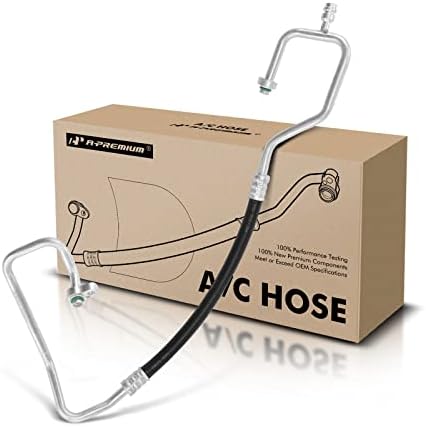
While AC discharge hoses are vital for energy efficiency, they are prone to several common issues that can hinder performance:
- Leaks: Over time, hoses can develop leaks due to wear and tear or improper installation. A leak can lead to refrigerant loss, diminishing the system’s cooling capacity and increasing energy usage.
- Kinks and Bends: Improper installation can cause kinks or sharp bends in the hoses, leading to obstructions that increase pressure and decrease efficiency.
- Insulation Damage: If the insulating material on the hoses is damaged, it can lead to significant heat gain, reducing the cooling efficiency and increasing energy costs.
Importance of Regular Maintenance

Regular maintenance of AC discharge hoses is essential to ensure optimal performance and energy efficiency. Here are some maintenance practices that homeowners can follow:
- Visual Inspections: Regularly check hoses for signs of wear, leaks, or damage. Early detection can prevent costly repairs down the line.
- Professional Servicing: Schedule annual inspections by a qualified HVAC technician. They can evaluate the entire air conditioning system, including hose performance, and make necessary repairs or replacements.
- Cleaning: Ensure that the external parts of the hoses are clean and free from debris. Dirt and grime can affect the overall efficiency of the AC system.
Case Studies: Real-World Impact of AC Discharge Hoses

To understand the practical implications of AC discharge hoses on energy efficiency, let’s consider a few case studies:
- Case Study 1: Residential Home in Texas – A homeowner noticed their electricity bills were unusually high. After a professional inspection, it was found that the discharge hoses had multiple leaks. Once replaced and properly insulated, the homeowner reported a 20% decrease in energy consumption.
- Case Study 2: Commercial Building in California – A commercial building underwent an energy audit. The audit revealed that the AC system was inefficient due to poorly installed discharge hoses that caused pressure drops. After reinstallation and insulation, the building achieved a 30% reduction in HVAC energy costs.
Choosing the Right Discharge Hose

Selecting the right AC discharge hose can significantly impact energy efficiency. Here are some factors to consider:
- Material: Opt for hoses made from high-quality, durable materials that resist corrosion and wear.
- Length: Ensure that the hoses are of appropriate length to minimize pressure loss. Avoid excessive bends or kinks during installation.
- Insulation: Choose hoses with built-in insulation or add insulation to existing hoses to prevent heat gain.
In conclusion, AC discharge hoses may seem like minor components in the larger HVAC system, but their role in home energy efficiency is significant. By ensuring that these hoses are well-maintained, properly installed, and chosen with care, homeowners can enhance the efficiency of their air conditioning systems, leading to reduced energy consumption and lower utility bills. Understanding the importance of AC discharge hoses is crucial for anyone looking to optimize their home’s energy efficiency and enjoy a comfortable living environment.
As a final takeaway, remember that regular maintenance and proper installation can prevent common issues that lead to energy waste. Investing in high-quality hoses and ensuring they are in optimal condition can result in significant long-term savings and a more environmentally friendly home.