As consumers become increasingly aware of the environmental implications of their choices, the materials used in everyday products come under scrutiny. One product that has garnered attention is the aluminum iPhone case. While these cases are popular for their durability and aesthetic appeal, their environmental impact—both positive and negative—merits a deeper examination. This article explores the sustainability of aluminum iPhone cases, analyzing their lifecycle, manufacturing processes, recycling potential, and the broader implications for the environment.
Understanding Aluminum as a Material
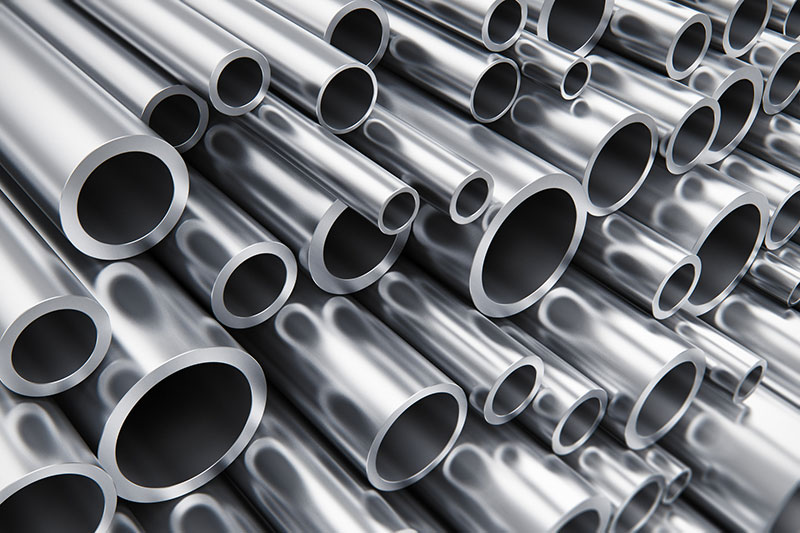
Aluminum is the third most abundant element in the Earth’s crust and is prized for its lightweight, corrosion-resistant properties. The metal can be molded into various forms, making it an ideal choice for iPhone cases. However, the environmental impact of aluminum production is complex.
Production and Energy Consumption
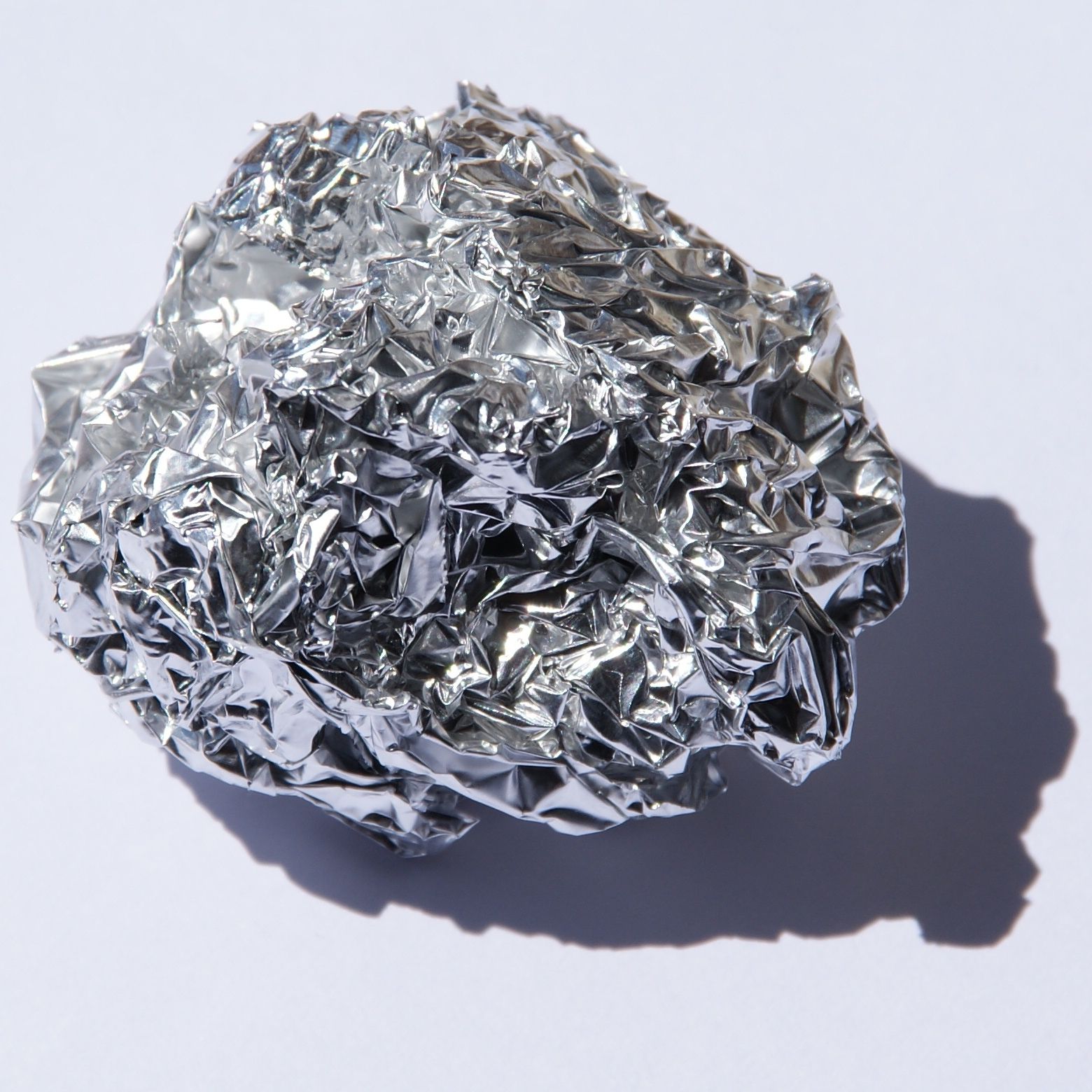
The process of extracting aluminum from bauxite ore involves significant energy consumption. It is estimated that:
- Producing one ton of aluminum requires approximately 15 megawatt-hours (MWh) of electricity.
- The aluminum industry accounts for nearly 2% of global greenhouse gas emissions.
In regions where coal is the primary energy source, the carbon footprint of aluminum production can be particularly high. However, advancements in technology and a shift towards renewable energy sources are beginning to mitigate these impacts.
Recycling Aluminum: A Sustainable Solution
One of the most significant advantages of aluminum is its recyclability. The recycling process requires only 5% of the energy used in primary production and emits substantially fewer greenhouse gases. Key points about aluminum recycling include:
- Recycled aluminum retains the same properties as new aluminum, making it a viable alternative.
- The recycling rate for aluminum cans in the U.S. is about 50%, showcasing a successful recycling model that can be applied to other aluminum products.
- Recycling aluminum saves about 90 million tons of greenhouse gases annually.
For iPhone cases, using recycled aluminum not only reduces environmental impact but also promotes a circular economy, where materials are reused and repurposed rather than discarded.
Case Studies: Brands Leading in Sustainability
Several brands have emerged as leaders in the sustainable production of aluminum iPhone cases. Here are a few notable examples:
1. Pela Case
Pela Case is known for its eco-friendly phone cases made from plant-based materials, but they also offer aluminum options. Their commitment to sustainability includes:
- Using recycled aluminum in their cases.
- Implementing a take-back program to ensure old cases are recycled properly.
2. Incase
Incase is another brand focusing on sustainable materials. They emphasize:
- Using aluminum sourced from environmentally responsible suppliers.
- Creating durable products designed to last, thus reducing waste.
3. OtterBox
While primarily known for rugged cases, OtterBox has made strides in sustainability by:
- Investing in aluminum cases that are both durable and recyclable.
- Launching initiatives to reduce packaging waste.
Environmental Impact vs. Consumer Choices
Choosing aluminum iPhone cases over plastic or other materials can have significant implications for the environment. While plastic cases are often cheaper and easier to produce, they come with their own set of environmental challenges:
- Plastic production is derived from fossil fuels, contributing to climate change.
- Plastic waste is a major environmental issue, with millions of tons ending up in landfills and oceans.
In contrast, aluminum cases can offer a more sustainable choice if produced responsibly. However, consumer awareness and choices play a vital role in driving the market towards sustainability.
The Role of Certifications and Standards
To ensure that aluminum iPhone cases are produced sustainably, consumers should look for certifications that indicate responsible sourcing and production practices. Key certifications include:
- ISO 14001: A standard for effective environmental management systems.
- LEED Certification: Indicates environmentally friendly construction practices for manufacturing facilities.
- Cradle to Cradle: A certification that assesses the entire lifecycle of a product.
These certifications can help consumers make informed choices and support brands that prioritize sustainability.
Challenges in the Aluminum Supply Chain
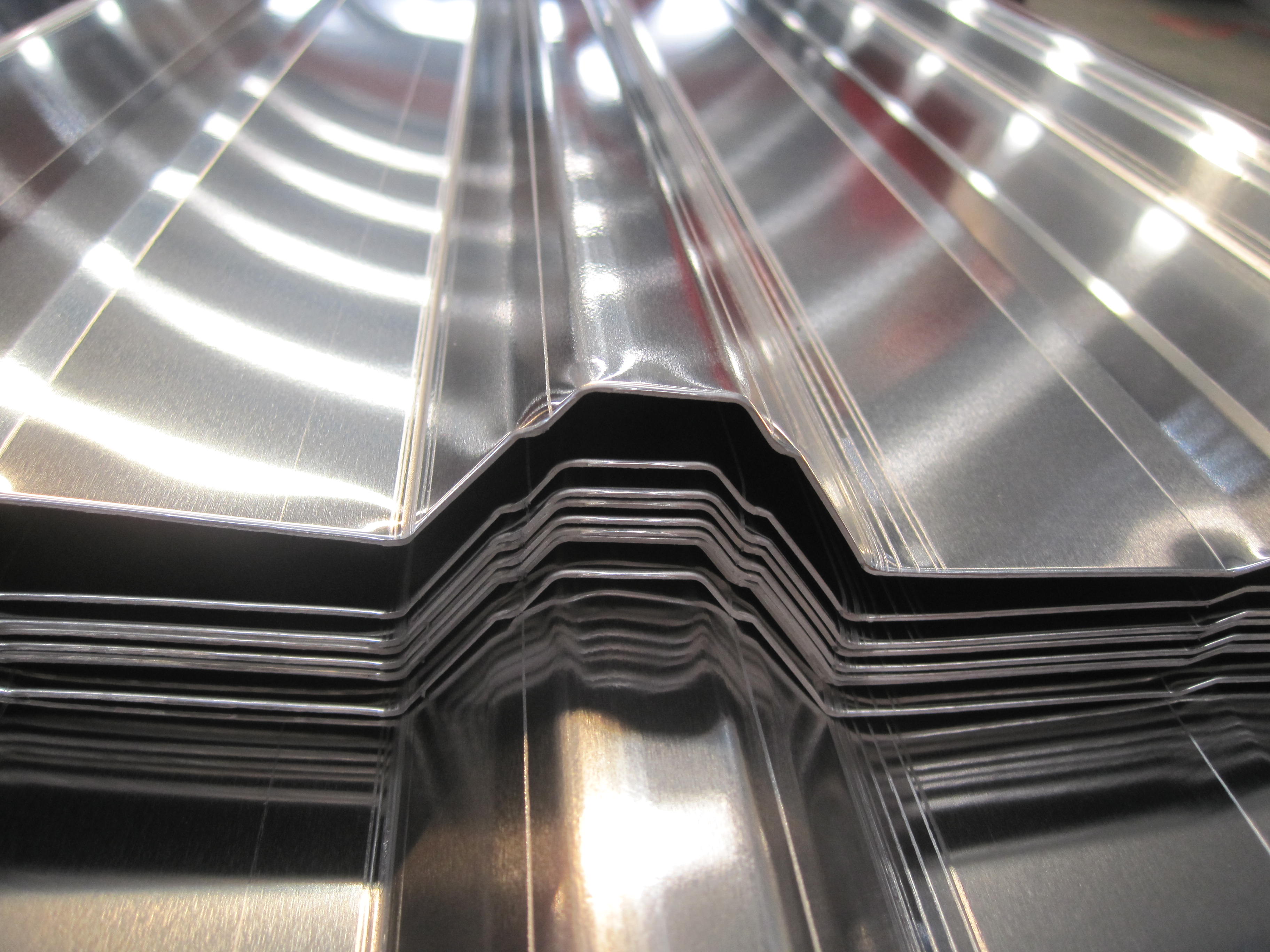
Despite its advantages, the aluminum supply chain faces several challenges that can hinder sustainability efforts:
- Mining Practices: Bauxite mining can lead to deforestation and habitat destruction.
- Energy Sources: The reliance on fossil fuels for aluminum production remains prevalent in some regions.
- Waste Management: The by-products of aluminum production can pose environmental hazards if not managed properly.
Addressing these challenges requires a concerted effort from manufacturers, governments, and consumers to promote sustainable practices throughout the supply chain.
A Sustainable Choice for the Future
Aluminum iPhone cases, when produced responsibly and recycled effectively, can be a sustainable choice in the realm of mobile accessories. While the initial production of aluminum poses significant environmental challenges, the recyclability of the material offers a pathway to mitigate these impacts. Brands that prioritize sustainable practices, coupled with informed consumer choices, can drive the market towards a more circular economy.
As consumers, it is our responsibility to consider the environmental implications of our purchases. By choosing aluminum cases from brands that emphasize sustainability and supporting recycling initiatives, we can contribute to a healthier planet. The journey towards sustainability is ongoing, and every choice counts in shaping a more sustainable future.