Charlie Parker, the protagonist of John Connolly’s debut novel “Every Dead Thing,” is a character that embodies the intricacies of trauma, morality, and the struggle for redemption. As a former detective haunted by personal loss and the shadows of his past, Parker represents a multifaceted figure in contemporary crime fiction. This article delves into the complexity of Charlie Parker, exploring his character development, motivations, and the themes that emerge from his journey.
Understanding Charlie Parker: A Character Overview

Charlie Parker is introduced to readers as a private investigator grappling with the brutal murder of his wife, Catherine, and their daughter. The emotional weight of this tragedy serves as a catalyst for Parker’s actions throughout the novel. Connolly meticulously crafts Parker’s character, making him relatable and deeply flawed. Factors contributing to his complexity include:
- Trauma and Grief: Parker’s life is forever altered by the loss of his family, which drives him into the depths of despair. His journey is as much about solving crimes as it is about confronting his own pain.
- Morally Ambiguous Choices: Parker often finds himself in morally gray situations, forcing readers to question the nature of justice and revenge.
- Existential Struggles: Parker’s frequent encounters with the supernatural add a layer of existential inquiry, challenging his understanding of reality and morality.
Thematic Elements within Parker’s Journey

Throughout “Every Dead Thing,” several key themes emerge that underscore Parker’s complexity. These themes not only enhance the narrative but also provide insight into Parker’s psyche.
1. The Nature of Evil
A central theme in the novel is the exploration of evil, which Parker confronts both in his investigations and in his personal life. The portrayal of antagonists in the story serves to highlight the various shades of human nature:
- Psychological Depth: The villains in the story are not mere caricatures; they are complex individuals shaped by their circumstances, which mirrors Parker’s own struggle.
- Evil as a Force: Connolly presents evil as an omnipresent force that Parker must navigate, reflecting the darkness within himself and the world around him.
2. Redemption and Forgiveness
Parker’s quest for closure and redemption is a driving force of the narrative. His journey is not solely about avenging his family but also about finding a way to forgive himself and others:
- Self-Acceptance: Parker’s encounters often lead him to confront his own culpability in the events that transpired, which is essential for his emotional healing.
- Forgiveness of Others: The struggle to forgive those who have wronged him reflects a universal human experience, making Parker’s journey relatable.
The Role of Supernatural Elements

One of the distinct features of “Every Dead Thing” is the incorporation of supernatural elements, which serve to amplify Parker’s internal conflict. The presence of ghosts and otherworldly occurrences reflects Parker’s psychological state:
- Haunted by the Past: Parker is literally and metaphorically haunted by the memories of his family, represented by the spectral figures that appear throughout the novel.
- Symbolism of the Supernatural: These supernatural elements symbolize Parker’s inability to escape his past and the pervasive nature of grief.
Character Development and Relationships

Parker’s relationships with secondary characters further enrich his complexity. His interactions reveal different facets of his personality and provide context for his emotional struggles:
1. The Mentor Figure: Samhain
One of the pivotal relationships in Parker’s life is with Samhain, a figure that embodies wisdom and darkness. Samhain acts as both a guide and a reminder of the choices Parker must make:
- Influence on Parker: Samhain’s presence challenges Parker to confront the darker aspects of himself, making him aware of the thin line between justice and vengeance.
- Symbol of Redemption: Through Samhain, Parker learns that redemption is not solely about avenging the dead but also about understanding the living.
2. The Fragile Connection: Rachel
Rachel is another significant character in Parker’s life, providing a glimpse of hope and the possibility of new beginnings:
- Emotional Anchor: Rachel serves as an emotional anchor for Parker, representing what he has lost and what he yearns to rebuild.
- Complexity of Relationships: The relationship is fraught with tension, reflecting Parker’s struggles with intimacy and trust as a result of his trauma.
Critical Reception and Impact

Since its publication, “Every Dead Thing” has garnered critical acclaim for its intricate plotting and character depth. Critics have praised Connolly’s ability to weave a compelling narrative while exploring profound themes. The novel’s impact on the genre can be assessed through:
- Influence on Crime Fiction: Parker’s complexity has set a standard for protagonists in crime fiction, paving the way for more nuanced characters.
- Exploration of Mental Health: The depiction of trauma and mental health issues has resonated with readers, making Parker’s story a conversation starter about grief and healing.
The Enduring Complexity of Charlie Parker
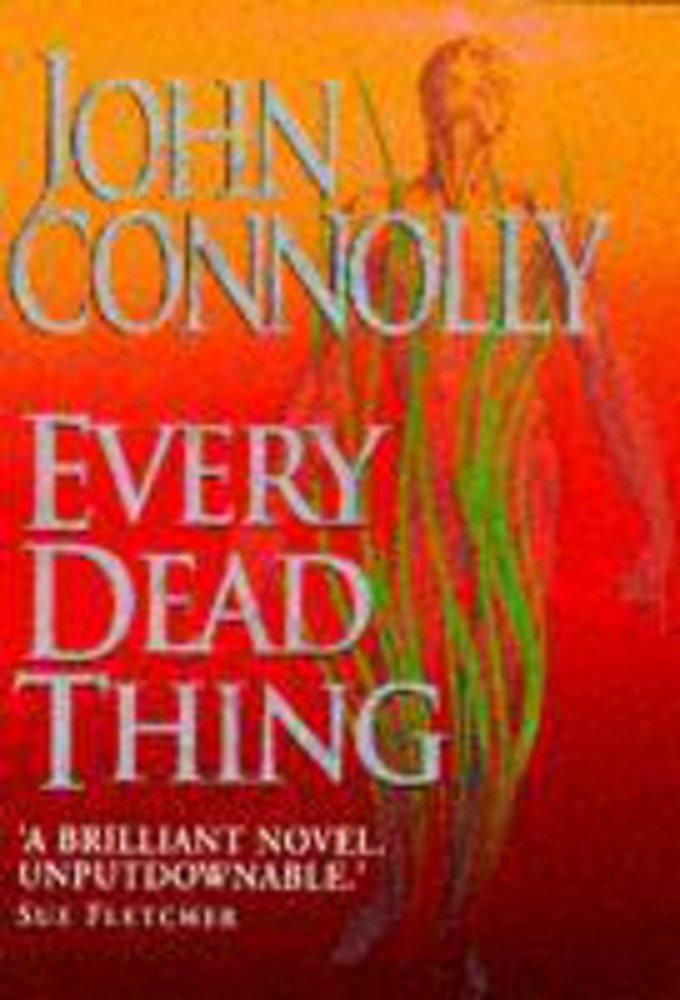
Charlie Parker in “Every Dead Thing” is a profound exploration of a man grappling with unimaginable loss. His complexity as a protagonist invites readers to navigate the murky waters of morality, grief, and redemption. Through his journey, John Connolly not only crafts a gripping narrative but also presents a character study that resonates on multiple levels. The themes of evil, redemption, and the supernatural intertwine to create a rich tapestry that challenges readers to reflect on their own understandings of justice and forgiveness. Ultimately, Charlie Parker stands as a testament to the resilience of the human spirit, making “Every Dead Thing” a compelling read that lingers long after the final page is turned.