Setting up a metal tree stand can be a pivotal part of a successful hunting season. However, ensuring maximum stability is essential not only for your safety but also for your overall hunting experience. A well-set-up tree stand can make the difference between a successful hunt and a frustrating day in the woods. In this article, we’ll explore the best practices for setting up your metal tree stand, including safety tips, proper installation techniques, and maintenance advice.
The Importance of Stability in Tree Stands

Stability is critical when it comes to tree stands. An unstable stand can lead to accidents, injuries, and missed opportunities during hunting. According to the National Bowhunter Safety Foundation, approximately 30% of hunting accidents involve falls from tree stands. Understanding how to properly set up your tree stand can significantly reduce these risks.
Here are a few key reasons why stability is essential:
- Safety: A stable tree stand minimizes the risk of falls and injuries.
- Accuracy: A secure location allows for better aim and reduces movement, improving shooting accuracy.
- Comfort: A well-supported stand is more comfortable, allowing you to focus on hunting.
Choosing the Right Tree and Location
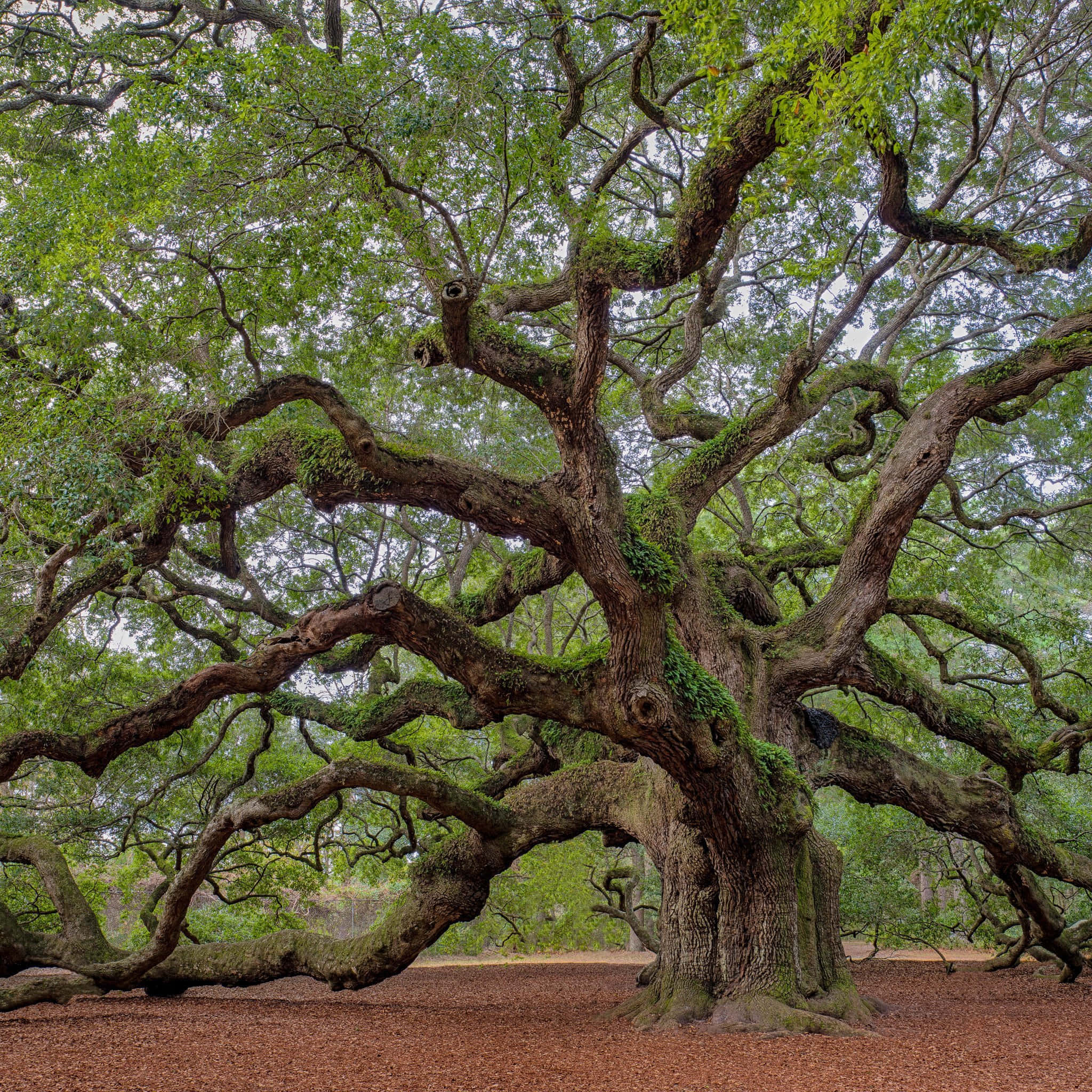
The foundation of a stable tree stand begins with selecting the right tree and location. Here are some factors to consider:
- Tree Type: Choose a sturdy, healthy tree, preferably hardwoods like oak or maple, which can support the weight of the stand and the hunter.
- Height: Aim for a height between 15 and 25 feet. This height minimizes detection by animals and reduces the risk of falling.
- Surrounding Environment: Look for trees that are away from heavy winds or other hazards such as dead branches, which could fall.
- Visibility: Ensure that you have a clear line of sight for shooting and that you can see approaching game.
Setting Up Your Metal Tree Stand
Once you have selected the right tree and location, it’s time to set up your metal tree stand. Follow these steps for the best results:
1. Gather Your Equipment
Before starting, ensure you have all the necessary tools and equipment:
- Metal tree stand
- Safety harness
- Rope or safety strap
- Wrench or ratchet (if required for assembly)
- First aid kit
2. Inspect Your Stand
Conduct a thorough inspection of your metal tree stand before installation:
- Check for rust, loose bolts, or other signs of wear.
- Ensure that all parts are present and functioning correctly.
3. Secure the Stand
Follow these steps for securing your metal tree stand:
- Position the Stand: Climb to the desired height and position the stand against the tree, ensuring it’s level.
- Seat and Backrest: Make sure the seat and backrest are locked into place according to the manufacturer’s guidelines.
- Strap It In: Use heavy-duty straps to secure the stand to the tree. Attach one strap above the seat and one below for extra stability.
4. Use a Safety Harness

Always wear a safety harness when climbing up or down the tree or while in the stand. This is crucial for preventing falls. Make sure:
- The harness is adjusted correctly and fits snugly.
- The tether is attached to the tree above your stand.
Testing for Stability
After setting up your stand, it’s important to test for stability:
- Shake Test: Gently shake the stand to check for any movement or instability.
- Weight Test: Before fully committing to the stand, apply your weight gradually to ensure it can support you.
Maintenance Tips for Maximum Stability

Regular maintenance is essential to ensure the longevity and stability of your metal tree stand:
- Seasonal Inspections: Before each hunting season, inspect your stand for rust, loose bolts, and general wear and tear.
- Cleanliness: Keep the stand clean from debris and rust to prevent any deterioration.
- Store Properly: After the hunting season, store your stand in a dry place to avoid moisture damage.
Case Study: The Effect of Proper Setup

In a study conducted by the Pennsylvania Game Commission, hunters who followed proper setup procedures reported a 50% decrease in accidents compared to those who did not. The study emphasized the importance of not only securing the stand but also wearing a safety harness and using proper climbing techniques.
Statistics on Tree Stand Safety

According to the Treestand Manufacturer’s Association (TMA), over 80% of tree stand injuries can be prevented by following safety protocols. Here are some key statistics:
- 75% of tree stand accidents occur during the ascent or descent.
- Over 90% of hunters who wear a safety harness while in their stand avoid serious injury.
Setting up a metal tree stand for maximum stability is crucial for a safe and successful hunting experience. By choosing the right tree, ensuring proper installation techniques, and conducting regular maintenance, hunters can significantly reduce the risk of accidents and improve their chances of a fruitful hunt. Remember to prioritize safety by using a harness and inspecting your stand regularly. With these tips and practices, you can enjoy a safe and comfortable time in the great outdoors.