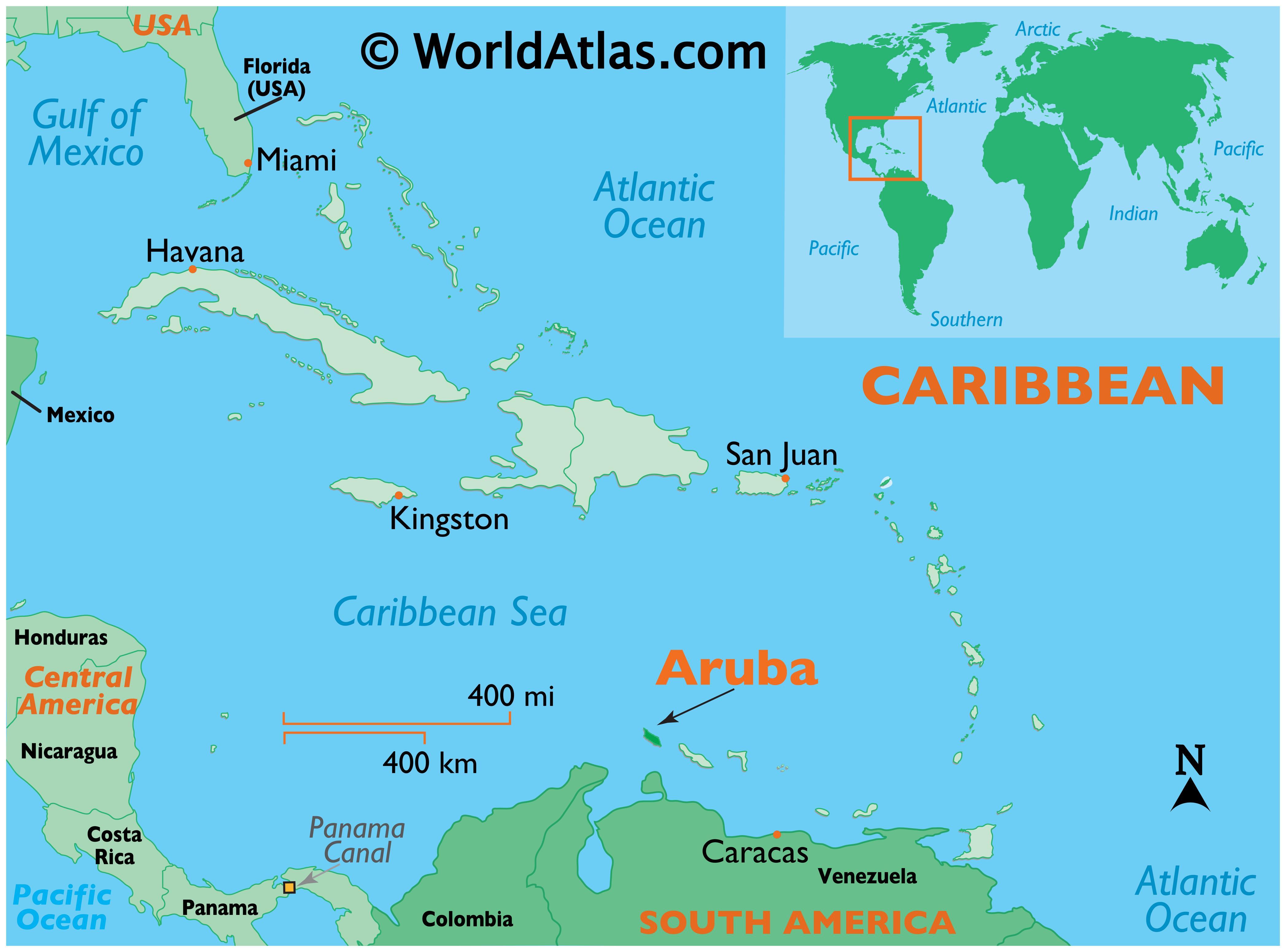
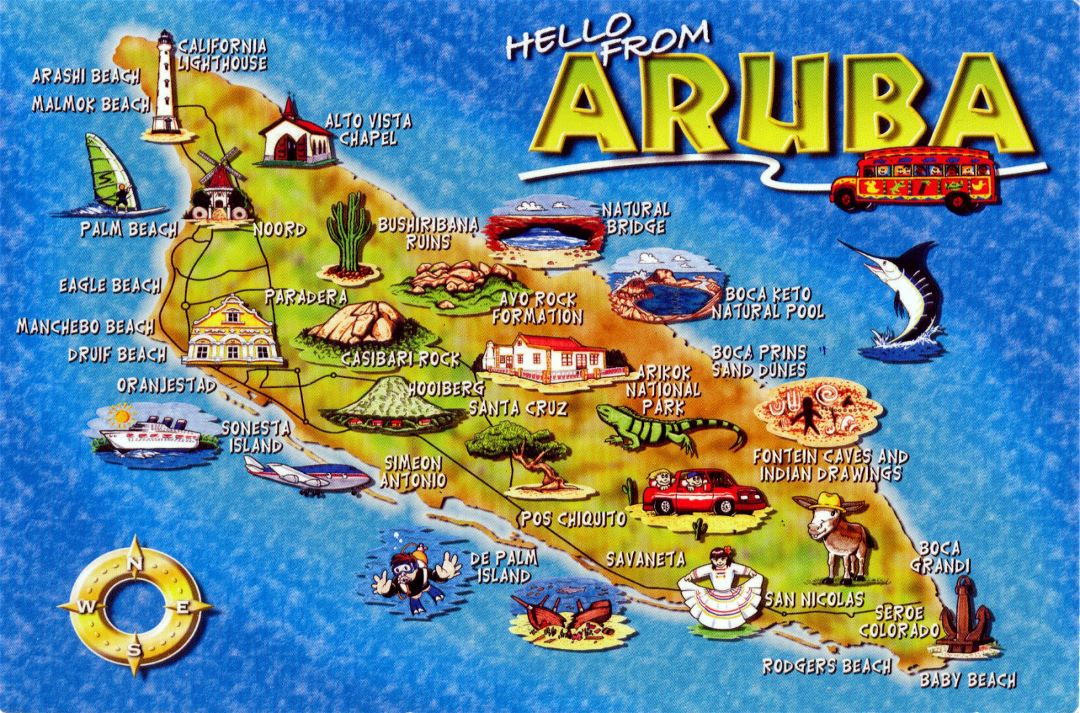
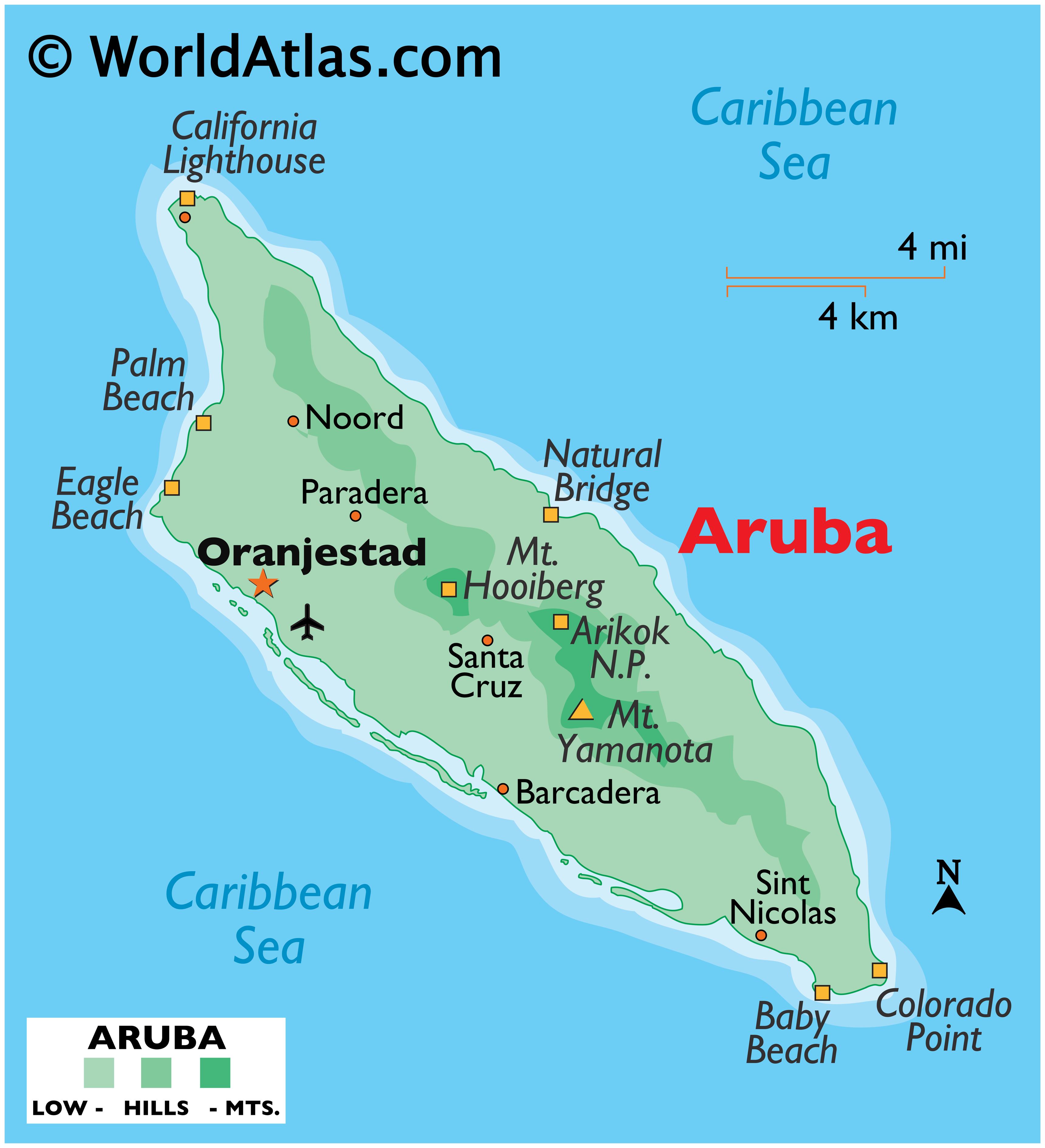
Aruba, a small island in the Caribbean, is renowned for its stunning beaches, vibrant culture, and rich history. Among its distinct symbols, the flag of Aruba stands out not only for its striking design but also for its significance in the international community. This article explores the origins, symbolism, and recognition of Aruba’s flag, as well as its role in international contexts.
Historical Background of Aruba’s Flag
The flag of Aruba was officially adopted on March 18, 1976, when the island gained status aparte (a separate status) within the Kingdom of the Netherlands. The design was the result of a competition that aimed to create a symbol representing the island’s identity and values.
Before the official adoption, Aruba’s identity was primarily represented by the flags of the Netherlands and the Caribbean Netherlands. The establishment of a unique flag was essential for fostering a sense of nationalism and pride among Arubans.
Design and Symbolism
The flag of Aruba features a blue field with a yellow stripe at the bottom and two red stars above it. Each element of the flag carries significant meaning:
- Blue Field: Represents the sea and sky, emphasizing Aruba’s natural beauty and its connection to the ocean.
- Yellow Stripe: Symbolizes the island’s wealth and prosperity, reflecting the sun’s bright rays that nourish the land.
- Red Stars: The two red stars signify the two main communities on the island: the indigenous people and the European settlers, representing unity and diversity.
International Recognition of the Flag
Aruba’s flag is recognized by various international organizations and is a symbol of the island’s autonomy within the Kingdom of the Netherlands. Its presence in international contexts is vital for diplomacy, cultural exchange, and tourism. The flag is often displayed during international events, contributing to Aruba’s visibility on the global stage.
The Role of the Flag in Diplomacy and International Relations

As a territory of the Kingdom of the Netherlands, Aruba participates in several international organizations, including:
- United Nations (UN): Aruba is not a UN member but is represented by the Kingdom of the Netherlands. The flag is used during UN meetings to affirm Aruba’s cultural identity.
- Caribbean Community (CARICOM): Aruba’s flag is often showcased in regional summits, highlighting its participation in Caribbean affairs.
- International Olympic Committee (IOC): Aruba competes in the Olympics under its own flag, which fosters a sense of national pride and recognition on a global stage.
The flag serves as a diplomatic tool, allowing Aruba to assert its identity while fostering collaboration with other nations. This is particularly important for tourism, which is a significant part of Aruba’s economy. The flag is often used in promotional materials to evoke a sense of belonging and pride among visitors.
Case Studies: Flag Representation in International Events
The importance of Aruba’s flag can be illustrated through various international events:
- 2016 Summer Olympics: Aruba participated in the Rio Olympics, showcasing its athletes under its own flag. This event was a significant moment for national pride and visibility on the world stage.
- Caribbean Festival of Arts: During this event, Aruba’s flag is prominently displayed, showcasing its culture and heritage. The flag serves as a reminder of Aruba’s unique identity within the Caribbean context.
- International Day of Indigenous Peoples: Aruba’s flag is often used to honor the island’s indigenous heritage, promoting awareness and appreciation of its cultural history.
Cultural Significance of the Flag
The flag of Aruba is more than just a national symbol; it is a representation of the island’s cultural identity. It is a source of pride for Arubans and plays a critical role in various cultural celebrations, including:
- Flag Day: Celebrated annually on March 18, this day commemorates the flag’s adoption and promotes national pride through parades and community events.
- Carnival: During Aruba’s Carnival celebrations, the flag is prominently displayed, symbolizing unity and cultural expression among the people.
- National Holidays: On significant national holidays, the flag is flown to honor the history and achievements of the island.
In these contexts, the flag serves as a unifying symbol that transcends individual differences, fostering a sense of community and belonging among the people of Aruba.
Challenges and Controversies Surrounding the Flag
While the flag of Aruba is a symbol of pride, it has also faced challenges and controversies, particularly regarding its representation and use. Some key issues include:
- Political Disputes: Discussions surrounding Aruba’s autonomy and its relationship with the Netherlands often evoke strong sentiments. Some Arubans feel that the flag should symbolize complete independence rather than a status within the Kingdom.
- Misuse of the Flag: Instances of the flag being used inappropriately or in contexts that do not align with its symbolism can lead to public outcry.
- Environmental Concerns: Given Aruba’s reliance on tourism, some argue that the flag should also represent the island’s commitment to sustainability and environmental protection.
The Flag’s Impact on Tourism and Economic Development

Tourism is a crucial part of Aruba’s economy, accounting for a significant percentage of its GDP. The flag of Aruba plays a pivotal role in attracting tourists, as it evokes feelings of warmth, hospitality, and cultural richness. Marketing campaigns often feature the flag prominently to showcase the island’s unique identity.
Statistics show that:
- Approximately 1.5 million tourists visit Aruba annually, with many drawn by its vibrant culture and beautiful landscapes.
- Tourism accounts for over 75% of Aruba’s GDP, highlighting the economic significance of maintaining a strong national identity.
By leveraging its flag in promotional materials and events, Aruba enhances its appeal as a travel destination, encouraging cultural exchange and economic growth.
The flag of Aruba is more than just a piece of fabric; it is a powerful symbol of the island’s identity, history, and culture. Its design encapsulates the essence of Aruba, representing unity, diversity, and pride. As Aruba continues to navigate its path within the international community, the flag serves as a beacon of hope and aspiration, embodying the spirit of its people.
Through its recognition in international contexts, the flag plays a vital role in diplomacy, tourism, and cultural expression. While challenges and controversies exist, the flag remains a source of pride for Arubans and a symbol of their rich heritage. As Aruba moves forward, its flag will undoubtedly continue to inspire future generations, reminding them of their unique identity and the importance of unity in diversity.

:max_bytes(150000):strip_icc()/cinderellas-castle-disneyworld-DISPLUSSALE0422-b8989ddbc34f4c2d87c83bf08f498cbd.jpg "Where to Buy the Best Disney Ugly Christmas Sweaters Online")