In the quest for better fuel efficiency and lower emissions, the type of engine oil a vehicle uses plays a crucial role. Among the various options available, 0W-20 full synthetic oil stands out as a top choice for modern engines. This article delves into how 0W-20 full synthetic oil contributes to enhanced fuel efficiency, exploring its properties, benefits, and real-world implications.
Understanding Engine Oil Viscosity

Before we dive into the specifics of 0W-20 full synthetic oil, it’s essential to understand what viscosity means in the context of engine oil. Viscosity refers to the oil’s resistance to flow; it impacts how well the oil lubricates engine components under varying temperature conditions.
- 0W: The “0” indicates the oil’s viscosity rating at cold temperatures. A lower number means the oil remains fluid in colder climates, allowing for easier starts and less wear during the initial moments of ignition.
- 20: The “20” indicates the oil’s viscosity at operating temperatures, ensuring that it is thick enough to protect engine components during operation while still allowing smooth flow for optimal performance.
The Advantages of 0W-20 Full Synthetic Oil
0W-20 full synthetic oil is engineered to provide superior performance compared to conventional oils. Here are some key advantages that contribute to its influence on fuel efficiency:
- Improved Flow: Synthetic oils have a uniform molecular structure, which reduces friction and allows the oil to flow more freely. This characteristic is particularly beneficial during cold starts.
- High Thermal Stability: Full synthetic oils maintain their viscosity over a broader temperature range, ensuring optimal lubrication in extreme conditions, leading to reduced engine wear and energy loss.
- Reduced Sludge Formation: Synthetic oils resist breakdown and oxidation better than conventional oils, which helps maintain engine cleanliness and efficiency.
- Enhanced Fuel Economy: Due to lower friction and better lubrication properties, synthetic oils can lead to improved fuel economy. Studies indicate that vehicles using 0W-20 synthetic oil can see fuel efficiency improvements of up to 2-3%.
Fuel Efficiency: The Science Behind It

The relationship between engine oil and fuel efficiency is complex but can be broken down into essential components:
1. Friction Reduction

One of the primary ways 0W-20 full synthetic oil enhances fuel efficiency is through friction reduction. When engine components rub against each other, energy is lost in the form of heat. Synthetic oils minimize this friction more effectively than conventional oils.
2. Engine Temperature Control
Efficient lubrication helps regulate engine temperature. A well-lubricated engine runs cooler, which is vital for maintaining optimal performance. Overheating can lead to increased wear and reduced efficiency, making effective oil crucial.
3. Engine Design Compatibility
Most modern engines are designed to operate with lower viscosity oils like 0W-20. These engines often come with tighter tolerances that require the properties of synthetic oil to ensure proper lubrication and efficiency.
Real-World Examples and Case Studies

To further illustrate the impact of 0W-20 full synthetic oil on fuel efficiency, let’s consider some real-world examples and studies:
Case Study: Toyota Camry

A study conducted on the Toyota Camry, a vehicle known for its fuel efficiency, showed that switching from a conventional oil to 0W-20 full synthetic oil resulted in a fuel economy improvement of approximately 2.5%. This improvement was attributed to the lower friction and better flow characteristics of the synthetic oil.
Statistical Insights
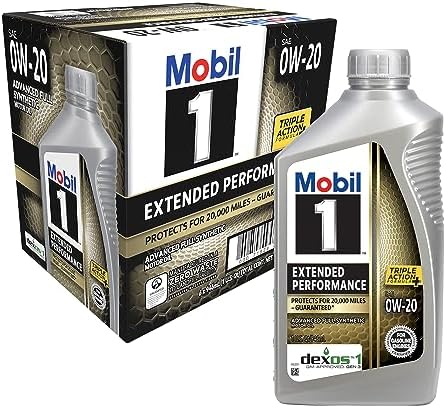
According to a report from the American Petroleum Institute, vehicles using synthetic oils can achieve an average fuel economy improvement of 2-6% compared to those using conventional oils. This statistic underscores the significant advantages of synthetic oils in enhancing fuel efficiency.
Environmental Implications
The use of 0W-20 full synthetic oil not only benefits vehicle owners but also has a positive impact on the environment. Enhanced fuel efficiency translates to lower fuel consumption, which in turn results in reduced greenhouse gas emissions. This aspect is particularly important in the context of global efforts to combat climate change.
- Lower CO2 Emissions: Improved fuel efficiency means that less fuel is burned, resulting in lower carbon dioxide emissions from vehicles.
- Extended Oil Change Intervals: Synthetic oils generally last longer than conventional oils, reducing the frequency of oil changes and the associated waste disposal.
Choosing the Right Synthetic Oil
When selecting 0W-20 full synthetic oil, several factors should be considered to ensure optimal performance:
- Manufacturer Recommendations: Always check your vehicle’s owner manual for the manufacturer’s recommended oil specifications.
- API Certification: Look for oils that meet API standards, ensuring they have been tested and proven to be effective.
- Brand Reputation: Choose reputable brands known for quality, as the formulation can vary significantly between manufacturers.
In conclusion, 0W-20 full synthetic oil is a vital component in enhancing fuel efficiency in modern vehicles. Its unique properties, including improved flow characteristics, reduced friction, and high thermal stability, contribute significantly to performance and efficiency. Real-world examples and studies highlight its effectiveness, showing potential fuel economy improvements of 2-6% compared to conventional oils. Moreover, the environmental benefits of reduced emissions and lower fuel consumption make synthetic oil a responsible choice for drivers. As automotive technology continues to evolve, the importance of high-quality engine oil will only become more pronounced, making 0W-20 full synthetic oil an excellent investment for both vehicle performance and environmental sustainability.