As the world grapples with the pressing issues of climate change and resource depletion, industries are increasingly being called upon to adopt sustainable practices. The retail sector, in particular, has a significant environmental footprint, from supply chain logistics to packaging waste. One simple yet effective strategy for retailers to enhance their sustainability efforts is the use of bulk hangers. In this article, we will explore the benefits of bulk hangers, backed by research, statistics, and case studies.
Understanding Bulk Hangers
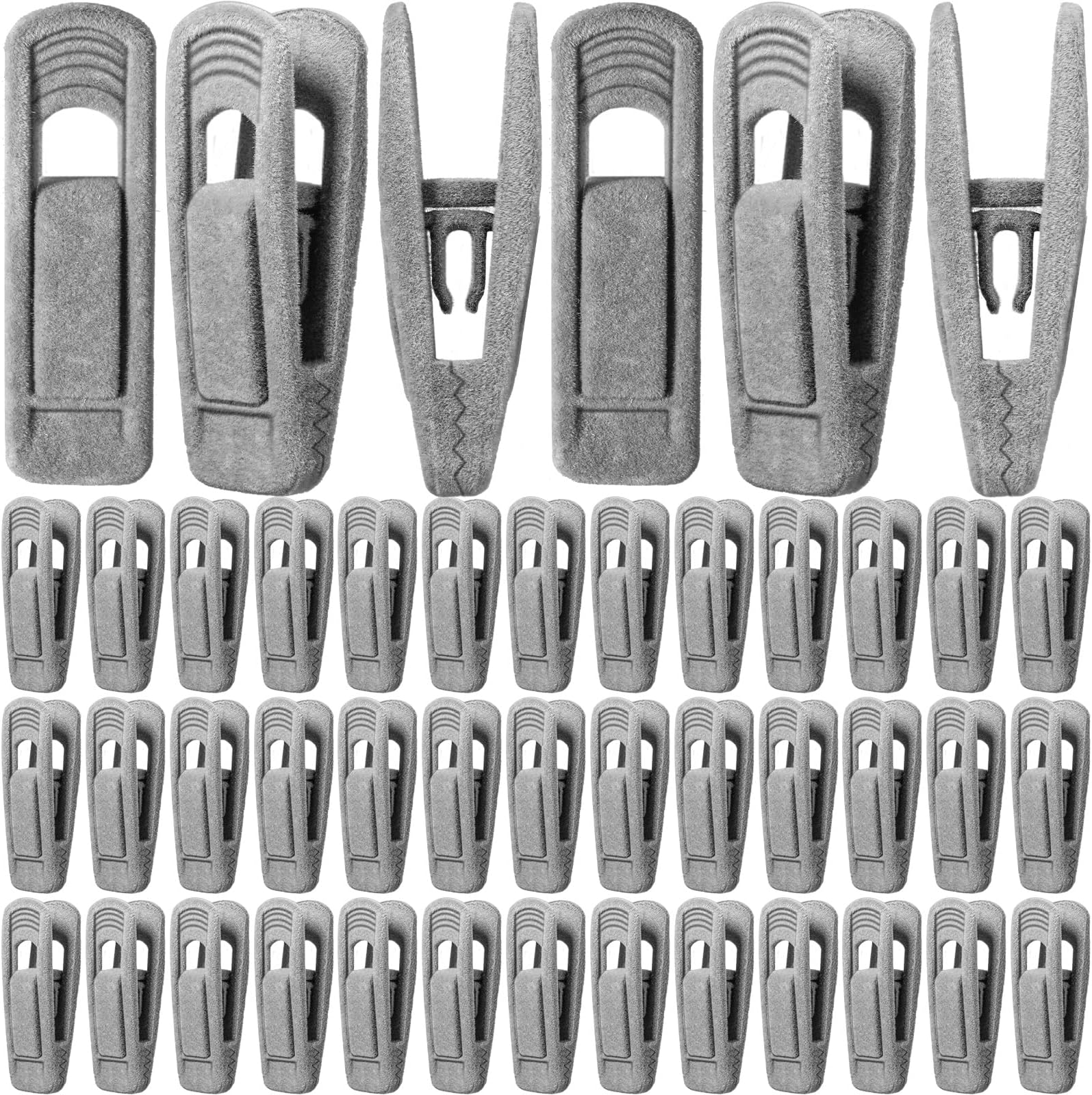
Bulk hangers are typically used in retail environments to display clothing items efficiently. Unlike traditional hangers that may be sold individually or in small packs, bulk hangers are purchased in larger quantities. This approach not only streamlines operations but also contributes to sustainability in several ways.
The Environmental Impact of Traditional Hangers

To appreciate the benefits of bulk hangers, it’s crucial to understand the environmental implications of traditional hangers. The most common types of hangers—plastic, wood, and metal—each come with their own set of challenges:
- Plastic Hangers: Often made from non-biodegradable materials, plastic hangers contribute to landfill waste. According to the Environmental Protection Agency (EPA), only about 9% of plastic waste is recycled in the U.S.
- Wood Hangers: While they may be more aesthetically pleasing, wooden hangers require deforestation, which leads to habitat destruction and increased carbon emissions.
- Metal Hangers: These can be recycled, but the energy required for production can be significant, leading to a larger carbon footprint.
The Benefits of Using Bulk Hangers
Switching to bulk hangers offers numerous advantages for retailers seeking to enhance their sustainability profile. Here are some key benefits:
1. Reduced Waste
By purchasing hangers in bulk, retailers can significantly decrease the amount of packaging waste associated with individual hanger sales. Fewer items mean less plastic wrap, cardboard boxes, and other packaging materials that often end up in landfills.
2. Cost-Effectiveness

Bulk purchasing can lead to substantial cost savings. Retailers can benefit from lower per-unit costs, which can improve their bottom line. According to a study by the National Retail Federation, retailers that adopt bulk purchasing strategies can save up to 20% on their overall expenses.
3. Improved Inventory Management
Using bulk hangers allows retailers to maintain better inventory control. With fewer types of hangers, management becomes simpler, and restocking can be done more efficiently. This results in a streamlined operation that reduces the likelihood of over-ordering or stockouts.
4. Enhanced Brand Image
Consumers today are increasingly environmentally conscious, and they prefer brands that align with their values. By adopting sustainable practices such as using bulk hangers, retailers can enhance their brand image and attract eco-conscious customers. A survey by Nielsen found that 66% of global consumers are willing to pay more for sustainable brands.
Case Studies: Retailers Leading the Charge
Several retailers have successfully integrated bulk hangers into their operations, demonstrating the benefits of this sustainable practice:
Case Study 1: Patagonia
Outdoor clothing retailer Patagonia is renowned for its commitment to sustainability. The company has adopted bulk hangers in its stores, reducing plastic waste and aligning with its mission to promote environmental responsibility. Patagonia has also invested in other sustainable practices, including using recycled materials and encouraging customers to repair their garments.
Case Study 2: H&M
H&M has implemented a comprehensive sustainability strategy that includes using bulk hangers in its stores. The company has committed to using 100% sustainably sourced materials by 2030. By switching to bulk hangers, H&M not only reduces waste but also simplifies its supply chain, allowing for more efficient inventory management.
Statistics Supporting Bulk Hanger Use

Research and statistics highlight the positive impact of using bulk hangers in retail:
- According to a report by McKinsey, the retail industry could reduce its carbon footprint by 40% by adopting sustainable practices, including bulk purchasing.
- A study from the Waste Management Association indicates that businesses that implement waste reduction strategies, such as bulk purchases, can save an average of $11,000 per year.
- The Ellen MacArthur Foundation estimates that transitioning to a circular economy in the fashion industry could unlock $560 billion in economic benefits by 2030.
Challenges and Considerations

While the benefits of bulk hangers are clear, retailers must also consider potential challenges:
- Initial Investment: Transitioning to bulk hangers may require an upfront investment, which some retailers may find daunting.
- Space Constraints: Retailers must ensure they have adequate storage space to accommodate bulk hangers.
- Supplier Relationships: Establishing relationships with suppliers who can provide bulk hangers may require time and effort.
The Future of Sustainable Retail

As the retail industry faces increasing pressure to adopt sustainable practices, utilizing bulk hangers presents a viable solution. The benefits—ranging from reduced waste and cost savings to improved brand image—are compelling reasons for retailers to make the switch. Case studies from leading brands like Patagonia and H&M demonstrate that adopting bulk hangers can align with broader sustainability goals while enhancing operational efficiency.
By embracing bulk hangers, retailers not only contribute to a greener planet but also position themselves as forward-thinking businesses ready to meet the demands of eco-conscious consumers. As we move toward a more sustainable future, the retail sector must continue to explore innovative solutions that balance profitability with environmental responsibility.